DNP students target kidney disease, ER processes for final projects
Two WSU College of Nursing doctoral students presented their research as their final step in the Doctor of Nursing Practice (DNP) degree.

Two WSU College of Nursing doctoral students presented their research as their final step in the Doctor of Nursing Practice (DNP) degree.
By John Sutherland, University Communications RICHLAND, Wash. – Sandra Haynes, a senior administrator at Metropolitan State University of Denver, is the new chancellor of Washington State University Tri-Cities.
Washington State University will lead a study to understand the relationship between sleep and chronic pain, part of a nationwide effort to address the rising abuse of opioid pain relievers.

By Addy Hatch, College of Nursing SPOKANE, Wash. – As politicians continue to wrangle over the future of the Affordable Care Act, newly published research shows the law has been clearly beneficial for at least one group of Americans – working-age adults with disabilities.
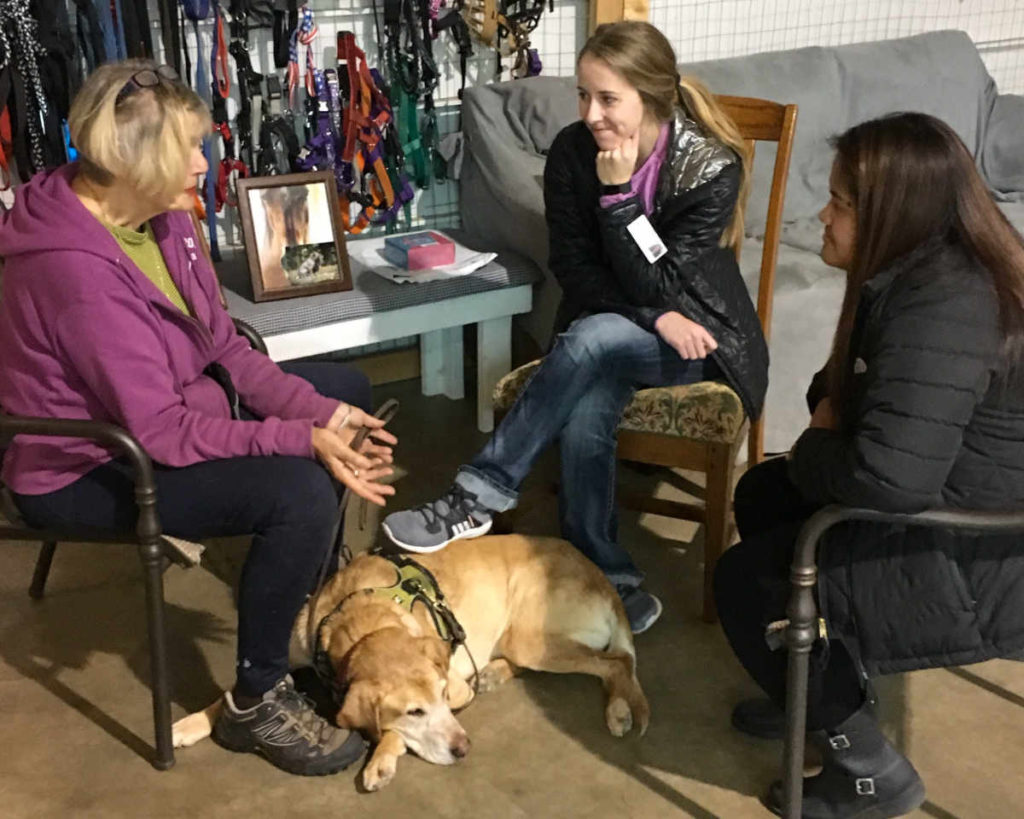
People love their pets, but for senior citizens, a companion animal can also be powerful medicine.
A growing number of small-scale studies are identifying barometric pressure — the weight of the atmosphere that surrounds us, or simply the weight of air — as the leading culprit.

New research led by Marian Wilson, Ph.D., of the Washington State University College of Nursing found that frequent marijuana use seems to strengthen the relationship between pain and depression and anxiety, not ease it.
By Linda Weiford, WSU News PULLMAN, Wash. – A smattering of studies supported by legions of testimonials suggest that many of us feel weather in our bones.
SPOKANE, Wash. – Many patients who are being treated for opioid addiction in a medication-assisted treatment clinic use marijuana to help manage their pain and mood symptoms.
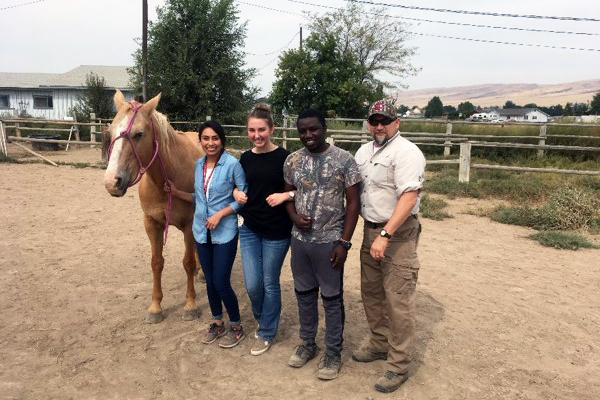
Some patients are nonverbal, for example, or can’t communicate with health care providers because of a language barrier. Some patients are a little scary. And horses, like patients, react to a person’s body language and can sense when someone isn’t “truly with them,” explains Jayne Beebe, a senior instructor at the WSU College of Nursing in Yakima.